Source Water Resistant Sports Smart Ring for Health, Fitness, and Alerts
Find and compare 30 water resistant sports smart ring options featuring Bluetooth connectivity, health monitoring, and durable materials like silicone or ceramic. Evaluate specs such as battery life, waterproof ratings, and app compatibility to find the right device for your needs.
Key considerations
Products List


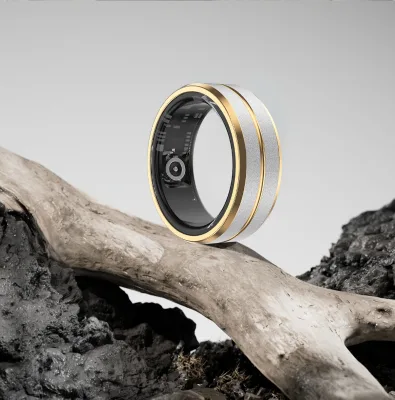


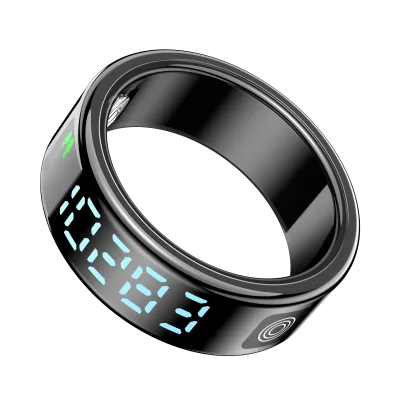
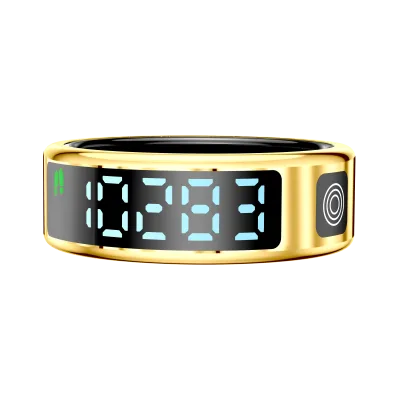


Comprehensive Sourcing Guide
Water Resistant Sports Smart Ring Sourcing Guide
The global market for water-resistant sports smart rings has evolved from niche fitness accessories into essential health monitoring tools for athletes and active professionals. These devices integrate advanced biosensors into a compact, ring-form factor, offering a discreet alternative to wrist-worn trackers while maintaining robust connectivity for real-time data transmission. Buyers in the B2B sector are increasingly seeking suppliers who can deliver units capable of withstanding rigorous physical activity, including swimming and high-intensity interval training, without compromising on battery life or sensor accuracy. The core value proposition lies in the seamless integration of health metrics such as heart rate variability, sleep analysis, and workout modes directly into a form factor that does not interfere with grip or movement during sports.
Procurement strategies for this category must account for the diverse range of customization options and technical specifications available in the current supply chain. Suppliers often provide varying degrees of personalization, from material choices like silicone and ceramic to specific app ecosystems that manage user data. The observed product landscape includes models with distinct chipset architectures, ranging from RTL8762 to AB2026B3, each offering different performance characteristics regarding Bluetooth connectivity and memory capacity. Buyers must navigate these technical variations to ensure the selected product aligns with their target demographic's needs, whether that involves long standby times for endurance athletes or specific compatibility with Android and iOS operating systems.
Product Scope and Observed Listing Signals
The product scope for water-resistant sports smart rings encompasses a wide array of functional attributes, primarily centered on health monitoring and communication capabilities. Listings frequently highlight features such as sleep analysis, menstrual cycle tracking, and SOS functions, indicating a shift toward comprehensive wellness management rather than simple step counting. The observed data suggests that these devices are marketed under various names, including "Smart Health Ring," "Bluetooth Ring," and "NFC Smart Ring," reflecting the multifaceted nature of their utility. Buyers should expect to find products that support remote control functions for media playback and photography, alongside dedicated health management tools, all housed within a design that prioritizes comfort and durability during physical exertion.
Listing signals also reveal significant variation in packaging and standardization, which can impact the final retail presentation and perceived value. Some suppliers offer units in simple OPP bags, while others provide premium gift box packaging, a critical factor for brands positioning these devices as lifestyle accessories. The physical specifications vary widely, with standard sizes ranging from 18.3mm to 20.8mm to accommodate different finger sizes, and housing materials including both silicone and ceramic options. Additionally, the waterproof level is a key differentiator, with some models certified to 5ATM, making them suitable for swimming and water sports, while others may have lower ratings. Buyers must carefully review these listing details to ensure the product matches the intended use case and target market expectations.
Technical Specifications to Verify
Verifying the technical specifications of a smart ring is paramount to ensuring performance reliability in sports environments. The chipset model is a critical indicator of processing power and connectivity stability, with observed models utilizing chips like the RTL8762 or AB2026B3. These components dictate the efficiency of Bluetooth Low Energy (BLE) transmission, with versions ranging from 5.0 to 5.4, ensuring low latency and stable connections to mobile devices. Buyers should confirm that the selected model supports the required operating systems, such as Android 5.0+ or iOS 9.0+, and verify the specific app ecosystem, such as Qring or Aizo Ring, to ensure a seamless user experience. The memory configuration, including RAM and flash storage, also plays a vital role in data retention and app performance, necessitating a thorough review of these parameters before bulk ordering.
Battery life and charging capabilities are equally critical for sports applications where frequent charging is impractical. The observed data indicates a wide range of performance, with some models offering 5-7 days of continuous use and 15 days of standby, while others claim up to 15 days of continuous working time. Charging times typically hover around 1.5 hours, but buyers must verify these figures against their specific usage scenarios to avoid downtime during critical training periods. Furthermore, the waterproof rating must be strictly validated; a 5ATM rating is essential for swimmers, while other activities may require different levels of protection. The physical dimensions and weight, often around 0.4 grams, also influence comfort during extended wear, requiring verification that the ring does not cause fatigue or irritation during intense physical activity.
Compliance and Safety Documentation
Ensuring compliance with safety and regulatory standards is a non-negotiable aspect of sourcing smart rings, particularly those marketed for health monitoring and sports use. While specific certification statuses are not universally listed in the provided data, buyers must demand evidence of compliance with relevant international standards for electronic devices and medical-grade sensors. This includes verifying that the device meets electromagnetic compatibility (EMC) requirements and safety standards for battery operation, especially given the compact size and high energy density of the components. Suppliers should provide documentation confirming that the materials used, such as silicone and ceramic, are hypoallergenic and safe for prolonged skin contact, which is crucial for products worn continuously during sports and sleep.
Documentation regarding data privacy and security is also essential, as these devices collect sensitive health information including heart rate, sleep patterns, and menstrual cycles. Buyers should require suppliers to demonstrate adherence to data protection regulations, ensuring that the companion apps and cloud services handle user data securely. The compatibility with various operating systems implies a need for software compliance with app store guidelines, which often mandate specific security protocols for health-related applications. Additionally, the packaging and labeling must comply with regional regulations regarding electronic waste and material safety, ensuring that the product can be legally sold and distributed in the target markets without regulatory hurdles.
Cost Drivers and Commercial Terms
The cost structure of water-resistant sports smart rings is influenced by several key drivers, including the complexity of the chipset, the quality of materials, and the level of customization offered. Models featuring advanced biosensors and higher Bluetooth versions, such as 5.4 BLE, typically command higher prices due to the increased R&D and component costs. The choice of housing material, whether silicone or ceramic, also impacts the final cost, with ceramic often being more expensive due to its durability and premium feel. Buyers should analyze the trade-offs between these features and their target price point, ensuring that the selected specifications align with the value proposition for their end consumers.
Commercial terms, including Minimum Order Quantity (MOQ) and lead times, vary significantly across the supply chain and must be negotiated carefully. The observed MOQ range spans from 1 to 1000 units, offering flexibility for both small startups and large enterprises. However, buyers should be aware that lower MOQs may come with higher per-unit costs, while larger orders often benefit from economies of scale. Lead times are another critical factor, as the complexity of customization and the availability of components can affect production schedules. Suppliers should provide clear timelines for production and shipping, allowing buyers to plan their inventory and marketing strategies effectively. Additionally, payment terms and warranty policies should be clearly defined to mitigate financial risks and ensure long-term supplier reliability.
Supplier Qualification and Quality Control
Selecting a qualified supplier for water-resistant sports smart rings requires a rigorous evaluation of their manufacturing capabilities and quality control processes. Buyers should prioritize suppliers with a proven track record in producing wearable electronics, particularly those with experience in miniaturization and waterproofing technologies. The origin of the products, often Shenzhen, China, indicates a mature supply chain, but buyers must verify the specific factory's capacity to maintain consistent quality across large production runs. Requesting samples for independent testing is essential to validate claims regarding waterproof ratings, battery life, and sensor accuracy before committing to a bulk order.
Quality control measures should extend beyond the final product to include the entire supply chain, from component sourcing to packaging. Suppliers should demonstrate a robust system for inspecting raw materials, such as silicone and ceramic, to ensure they meet safety and durability standards. In-process quality checks are also crucial to identify and rectify defects early in the production process, minimizing the risk of receiving substandard units. Buyers should inquire about the supplier's defect rate and their procedures for handling non-conforming products, ensuring that there are clear mechanisms for returns and replacements. Additionally, the supplier's ability to provide customization, such as branding and packaging, should be assessed to ensure they can meet the specific requirements of the buyer's brand.
Long-Term Procurement Checks
Establishing a long-term procurement relationship with a supplier of water-resistant sports smart rings requires ongoing monitoring and performance evaluation. Buyers should implement a system for tracking key performance indicators, such as defect rates, delivery times, and customer feedback, to ensure that the supplier consistently meets expectations. Regular audits of the supplier's manufacturing processes and quality control systems can help identify potential issues before they impact the supply chain. Additionally, maintaining open communication channels with the supplier allows for timely updates on technological advancements and market trends, ensuring that the product line remains competitive and relevant.
Future-proofing the procurement strategy involves staying informed about emerging technologies and regulatory changes that could impact the product. Buyers should regularly review the supplier's roadmap for new models and features, ensuring that the product line can evolve to meet changing consumer demands. This includes monitoring advancements in battery technology, sensor accuracy, and connectivity standards. Furthermore, buyers should assess the supplier's commitment to sustainability and ethical manufacturing practices, as these factors are increasingly important to consumers and regulators. By maintaining a proactive approach to supplier management, buyers can ensure a stable and reliable supply of high-quality water-resistant sports smart rings for the long term.
FAQs
What waterproof level do these smart rings support?
The smart rings support a 5ATM waterproof level, making them suitable for swimming and water sports. This rating ensures the device remains functional during immersion in water up to 50 meters. Users can wear the ring while showering or engaging in aquatic activities without risking damage to the internal components or battery.
How long does the battery last on a single charge?
Battery life varies by model, typically offering 5 to 7 days of continuous use and up to 15 days of standby time. Some advanced models provide over 15 days of continuous working time. Charging takes approximately 1.5 hours, ensuring minimal downtime for users who rely on continuous health monitoring and communication features.
Which health monitoring features are included in the smart ring?
These rings include comprehensive health management functions such as heart rate monitoring, HRV analysis, sleep tracking, and menstrual cycle tracking. They also feature SOS alerts and vibration notifications. The devices support workout modes and provide detailed sleep analysis to help users maintain a healthy lifestyle through accurate biometric data collection.
Can the smart ring connect to both Android and iOS devices?
Yes, the smart ring is compatible with both Android and iOS operating systems. It supports Android 5.0 or above and iOS 9.0 or above, with some models also supporting HarmonyOS 2.0+. The connection is established via Bluetooth 5.0 or 5.4 BLE, ensuring stable and low-energy communication with paired smartphones.
What materials are used to construct the smart ring housing?
The smart rings are constructed using high-quality silicone and ceramic materials. Silicone provides comfort and flexibility for daily wear, while ceramic offers a durable and premium finish. These materials ensure the ring is lightweight, hypoallergenic, and resistant to daily wear and tear, making it suitable for long-term continuous use.
Is customization available for bulk orders of smart rings?
Customization is available for bulk orders, allowing buyers to tailor products to specific market needs. Options may include custom packaging, such as gift boxes or OPP bags, and potentially branding. Buyers should contact suppliers directly to discuss specific customization requirements, including MOQ thresholds and design specifications for their particular sourcing project.